
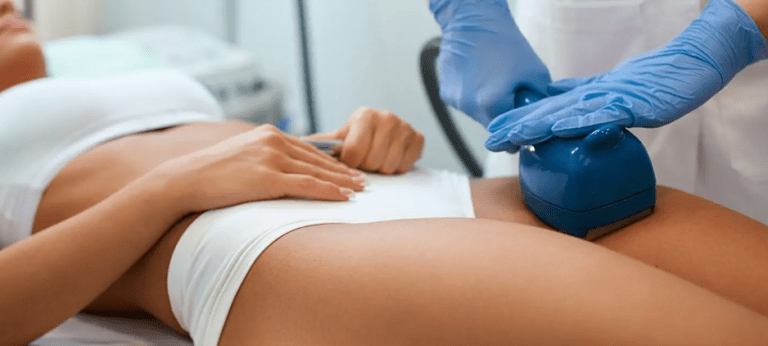
Cellulite Treatment
Cellulite is a common skin condition that affects individuals of all body types and ages. It appears as dimpled or uneven skin, most commonly on the thighs, hips, buttocks, and abdomen. While not harmful, many people seek effective cellulite treatment options to improve skin texture and achieve a smoother, more refined appearance.
Modern skincare and aesthetic advancements offer a wide range of cellulite treatments, from topical solutions and lifestyle changes to non-invasive and clinical procedures. Understanding these options is essential for selecting the most effective approach based on individual needs.
What is Cellulite?
Cellulite occurs when fat deposits push through the connective tissue beneath the skin. This creates a textured or “orange peel” appearance. It is influenced by factors such as skin thickness, fat distribution, and the strength of connective tissue.
Cellulite is not necessarily linked to weight gain and can affect both slim and overweight individuals.
Causes of Cellulite
Hormonal Factors
Hormones such as estrogen, insulin, and thyroid hormones play a role in fat distribution and skin structure.
Genetics
Genetic predisposition can determine skin thickness, fat storage, and circulation efficiency.
Poor Circulation
Reduced blood flow can weaken connective tissues and contribute to cellulite formation.
Sedentary Lifestyle
Lack of physical activity can increase fat accumulation and reduce muscle tone.
Aging
As skin loses elasticity over time, cellulite becomes more visible.
Types of Cellulite
Understanding the type of cellulite helps in choosing the right treatment.
- Soft Cellulite: Associated with loose skin and mild sagging
- Hard Cellulite: More compact and often seen in physically active individuals
- Edematous Cellulite: Linked to fluid retention and poor circulation
Effective Cellulite Treatment Options
Topical Treatments
Topical creams and lotions can improve the appearance of cellulite when used consistently.
Key Ingredients:
- Caffeine (reduces fluid retention)
- Retinol (improves skin thickness and elasticity)
- Aminophylline (targets fat breakdown)
While results are temporary, these products can enhance skin smoothness.
Non-Invasive Cellulite Treatments
These treatments provide noticeable results without surgery.
Radiofrequency Therapy
Heats deeper skin layers to stimulate collagen and tighten skin.
Laser Therapy
Breaks down fat deposits and improves skin texture.
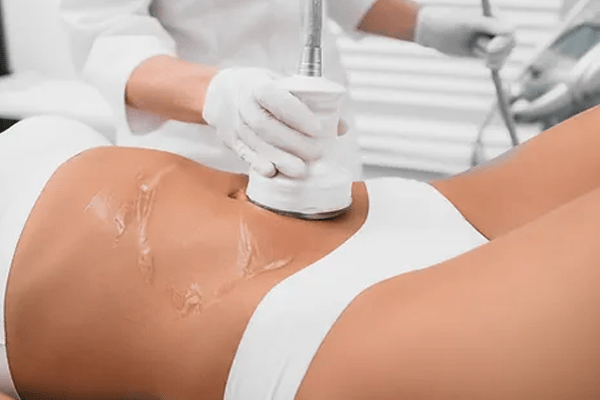
Acoustic Wave Therapy
Uses sound waves to enhance circulation and reduce cellulite appearance.
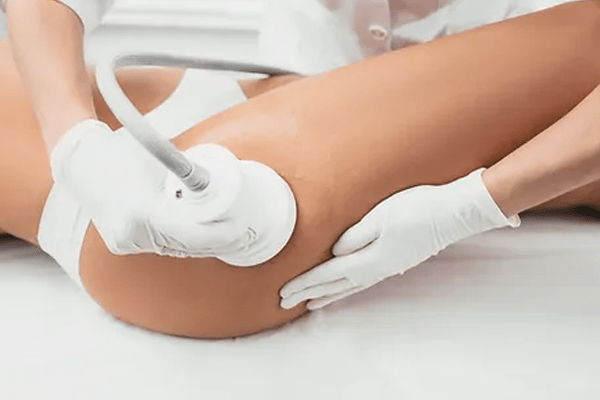
Vacuum-Assisted Treatments
Massage-based systems that improve lymphatic drainage and skin texture.
Minimally Invasive Procedures
For more significant results, minimally invasive treatments are often recommended.
Subcision (Cellulite Release)
Targets fibrous bands under the skin that cause dimpling.
Injectable Treatments
Enzymatic injections help break down connective tissue responsible for cellulite.
Lifestyle-Based Cellulite Reduction
Regular Exercise
Strength training and cardio help reduce fat and improve muscle tone.
Balanced Diet
Focus on:
- Lean protein
- Fruits and vegetables
- Whole grains
Reducing processed foods and excess sugar is essential.
Hydration
Proper hydration improves skin elasticity and reduces fluid retention.
Natural Remedies for Cellulite Treatment
Natural methods can support overall skin health and improve appearance over time.
- Dry brushing to improve circulation
- Coffee scrubs for temporary tightening
- Massage therapy to enhance lymphatic drainage
These methods are most effective when combined with other treatments.
How to Choose the Right Cellulite Treatment
The best cellulite treatment depends on several factors:
- Severity of cellulite
- Skin type and elasticity
- Budget and treatment goals
- Preference for non-invasive or clinical procedures
A combination of treatments often delivers the best results.
Results Timeline
- Topical treatments: 4–8 weeks
- Non-invasive procedures: 1–3 months
- Minimally invasive treatments: noticeable improvement within weeks
Maintenance is required to sustain results.
Common Mistakes to Avoid
- Relying on a single method
- Expecting permanent results from creams alone
- Ignoring diet and exercise
- Inconsistent treatment routines
Consistency and a multi-approach strategy are key.
Conclusion
Cellulite treatment requires a comprehensive approach that targets both the surface and underlying causes. While it may not be possible to eliminate cellulite completely, significant improvement can be achieved through a combination of advanced treatments, effective skincare, and healthy lifestyle habits.
Choosing the right strategy based on individual needs ensures better, longer-lasting results and smoother, more even-looking skin.
Appointment Now
View More Service
Plan Your Trip Now
Location 1
- +1 832-829-4399
- j9clinicandmedspa@gmail.com
- 11861 S Sam Houston Pkwy W A, Houston, TX 77031, United States
Location 2
- +1 281-809-5115
- j9clinicandmedspa@gmail.com
- 6804 Bintliff Dr, Houston, TX 77074, United States