Scar Reduction Treatment
Scar formation is an inevitable outcome of the skin’s natural healing response following injury, inflammation, or surgical intervention. However, irregular collagen deposition and impaired tissue remodeling can result in visible textural and pigmentary changes that compromise skin quality.
Modern scar reduction treatment has evolved significantly, offering targeted, evidence-based solutions that address both superficial and deep dermal irregularities. Through a combination of advanced technologies and regenerative techniques, it is now possible to achieve substantial improvement in scar appearance, skin texture, and overall dermal integrity.
Clinical Understanding of Scar Formation
Scars develop as a result of disrupted collagen synthesis during the wound healing process. The balance between collagen production and degradation determines the final scar outcome.
Key Pathophysiological Factors
- Excess or deficient collagen deposition
- Fibrotic tissue formation
- Reduced elastin and skin flexibility
- Inflammatory response and delayed healing
Effective scar reduction treatment focuses on collagen remodeling, dermal regeneration, and structural realignment of tissue.
Classification of Scars
Accurate diagnosis is critical for treatment selection.
Atrophic Scars
Characterized by loss of tissue volume, commonly associated with acne. Includes ice-pick, boxcar, and rolling scars.
Hypertrophic Scars
Raised scars confined within the original wound boundaries due to excessive collagen production.
Keloid Scars
Aggressive fibrotic growth extending beyond the initial injury site, often requiring specialized intervention.
Contracture Scars
Result from extensive tissue damage, typically seen in burn injuries, leading to skin tightening and restricted mobility.

Advanced Scar Reduction Treatment Modalities
Laser-Based Scar Revision
Fractional and ablative laser technologies are considered gold-standard treatments for scar remodeling.
Mechanism:
- Controlled dermal injury stimulates neocollagenesis
- Promotes epidermal renewal
- Improves vascular and pigment irregularities
Clinical Outcomes:
- Reduction in scar depth and visibility
- Improved skin texture and tone
- Long-term collagen restructuring
Radiofrequency-Assisted Microneedling
Combines mechanical micro-injury with thermal energy to enhance deep dermal remodeling.
Advantages:
- Targets deeper scar tissue
- Stimulates collagen and elastin synthesis
- Suitable for various skin types
Subcision (Fibrotic Band Release)
A precision technique used to release tethered scar tissue.
Indication:
- Deep rolling acne scars
Outcome:
- Elevation of depressed scars
- Improved skin surface uniformity
Injectable Dermal Fillers
Used to correct volume loss in atrophic scars by elevating depressed areas.
Benefits:
- Immediate improvement
- Enhances skin contour
- Often combined with other modalities
Chemical Reconstruction Techniques
Medium to deep chemical peels facilitate controlled exfoliation and regeneration.
Clinical Benefits:
- Improves superficial scarring
- Reduces pigmentation irregularities
- Enhances overall skin clarity
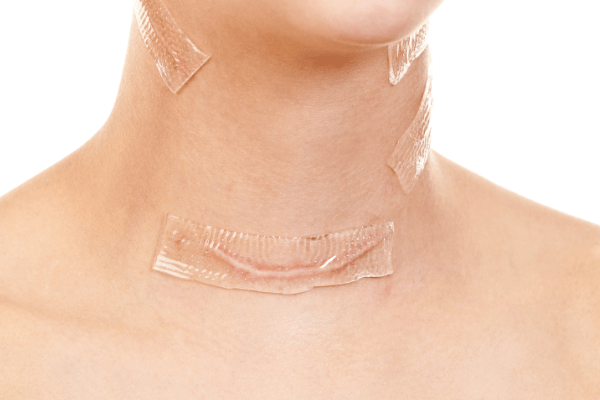
Silicone-Based Scar Therapy
Topical silicone formulations are clinically proven to reduce hypertrophic and keloid scars.
Mechanism:
- Maintains hydration
- Regulates collagen production
- Softens and flattens scar tissue
Combination Therapy: A Multimodal Approach
Optimal scar reduction outcomes are achieved through a combination of treatments tailored to the patient’s scar profile.
Examples:
- Laser resurfacing + subcision
- Microneedling + topical regenerative therapy
- Fillers + collagen stimulation procedures
This integrated strategy ensures treatment at multiple skin depths, enhancing overall efficacy.
Treatment Planning and Customization
A personalized treatment protocol is essential for safe and effective outcomes.
Key Considerations
- Scar type, depth, and maturity
- Skin phototype and sensitivity
- Patient medical history
- Treatment tolerance and downtime preference
Customized protocols maximize clinical results while minimizing risks.
Expected Outcomes and Treatment Timeline
Scar reduction is a progressive process requiring multiple sessions.
- Initial improvement: 4–6 weeks
- Moderate correction: 2–4 sessions
- Advanced remodeling: several months
Collagen remodeling continues beyond the treatment period, leading to ongoing improvement.
Post-Treatment Management
Appropriate aftercare is critical for optimizing results.
- Strict photoprotection with broad-spectrum sunscreen
- Use of barrier-repair and hydrating formulations
- Avoidance of mechanical irritation
- Adherence to clinician-guided skincare protocols
Safety Profile and Clinical Considerations
Scar reduction treatments are generally safe when performed by qualified practitioners using evidence-based protocols.
Common Transient Effects:
- Erythema (redness)
- Edema (swelling)
- Mild desquamation
Risk Mitigation:
- Proper patient selection
- Controlled treatment parameters
- Post-procedure monitoring
Ideal Candidate Profile
Scar reduction treatment is appropriate for individuals who:
- Present with acne, surgical, or traumatic scars
- Seek measurable improvement in skin texture
- Prefer non-surgical or minimally invasive solutions
- Have realistic expectations regarding outcomes
Conclusion
Scar reduction treatment has advanced into a highly specialized field within aesthetic dermatology, offering precise and effective solutions for a wide range of scar types. Through the integration of laser technologies, regenerative procedures, and personalized treatment planning, significant improvement in skin texture and appearance can be achieved.
A structured, multi-modal approach under professional supervision ensures optimal clinical outcomes and long-term skin health.
Appointment Now
View More Service
Plan Your Trip Now
Location 1
- +1 832-829-4399
- j9clinicandmedspa@gmail.com
- 11861 S Sam Houston Pkwy W A, Houston, TX 77031, United States
Location 2
- +1 281-809-5115
- j9clinicandmedspa@gmail.com
- 6804 Bintliff Dr, Houston, TX 77074, United States