
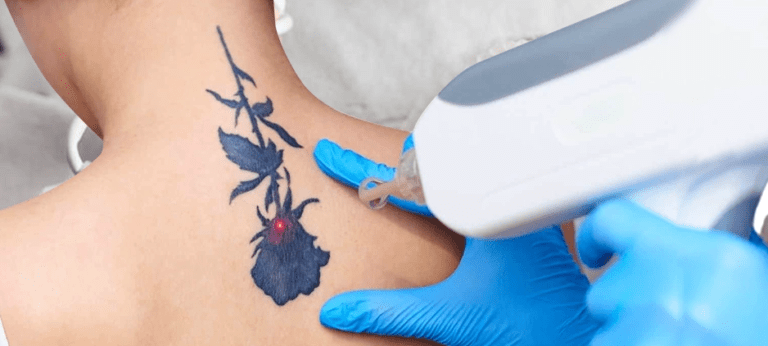
Laser Tattoo Removal
Laser tattoo removal has evolved into a highly precise, clinically advanced solution for eliminating unwanted tattoos. With the development of modern laser systems, it is now possible to target tattoo pigments with exceptional accuracy while preserving the surrounding skin.
Whether the goal is complete removal or partial fading for a cover-up, laser-based treatments provide predictable, safe, and effective outcomes when performed by experienced professionals.
Why Laser Tattoo Removal is the Gold Standard
Compared to older methods such as dermabrasion or surgical excision, laser tattoo removal offers superior safety, reduced scarring risk, and better aesthetic outcomes.
Key Advantages:
- Selective targeting of tattoo pigment
- Minimal damage to surrounding tissue
- Suitable for most skin types
- Customizable treatment based on tattoo characteristics
Laser technology works on the principle of selective photothermolysis, allowing precise pigment destruction without widespread skin injury.
Advanced Laser Technologies Explained
Picosecond Laser Technology
Delivers ultra-short pulses that shatter ink particles into extremely fine fragments, allowing faster clearance by the immune system.
Clinical Advantages:
- Fewer treatment sessions
- Improved results on resistant colors
- Reduced thermal damage
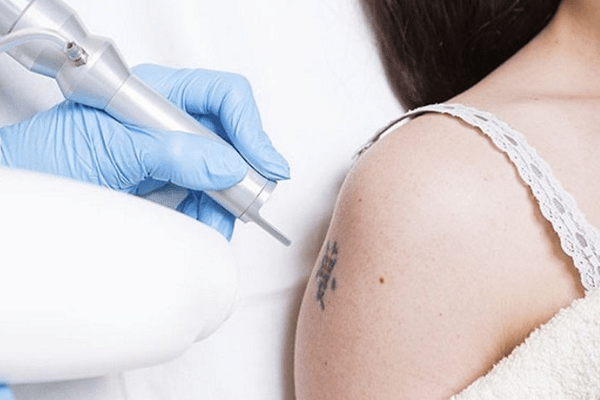

Q-Switched Laser Systems
A well-established technology that uses high-intensity pulses to break down pigment.
Best For:
- Dark inks (black, blue)
- Traditional tattoo removal protocols
Treatment Customization: A Key Ranking Factor for Results
No two tattoos are the same. Effective laser tattoo removal requires a personalized approach based on:
- Ink color and composition
- Depth and layering of pigment
- Skin tone (Fitzpatrick scale)
- Tattoo age and quality
- Location on the body
A customized treatment protocol ensures maximum ink clearance with minimal side effects.
The Tattoo Removal Process: Step-by-Step
Clinical Assessment
A detailed evaluation determines the number of sessions, laser type, and treatment intervals.
Laser Application
Energy pulses are delivered to the tattoo, fragmenting the ink.
Immune Clearance Phase
Over several weeks, the body gradually removes the broken pigment particles.
Repeat Sessions
Multiple sessions are required to progressively fade the tattoo.
Results Timeline and Expectations
Laser tattoo removal is a gradual process that requires patience and consistency.
- Initial fading: after 1–2 sessions
- Significant reduction: 4–6 sessions
- Near-complete removal: 6–12+ sessions
Important: Professional tattoos typically require more sessions than amateur tattoos due to deeper and denser ink placement.
Factors That Affect Treatment Success
Ink Color
- Black: easiest to remove
- Red and blue: moderate response
- Green and yellow: more resistant
Skin Type
Darker skin tones require specialized laser settings to avoid pigmentation issues.
Tattoo Location
Areas with better blood circulation (e.g., upper body) respond faster.
Immune System Efficiency
A strong immune response accelerates pigment clearance.
Safety Profile and Risk Management
Laser tattoo removal is considered safe when performed under medical supervision.
Common Reactions:
- Temporary redness and swelling
- Mild blistering
- Sensitivity in treated area
Risk Mitigation Strategies:
- Use of appropriate laser wavelength
- Proper spacing between sessions
- Strict adherence to aftercare
Post-Treatment Care for Optimal Results
- Avoid sun exposure and use high-SPF sunscreen
- Keep the area clean and moisturized
- Avoid picking or scratching
- Follow all clinical aftercare instructions
Proper aftercare significantly improves healing and treatment outcomes.
Cost Structure and Investment Consideration
The cost of laser tattoo removal varies depending on:
- Tattoo size and complexity
- Number of sessions required
- Type of laser technology used
- Clinic expertise and location
While the process requires multiple sessions, it remains the most effective long-term solution for tattoo removal.
Laser Tattoo Removal for Cover-Up Preparation
Many clients choose partial removal to prepare for a new tattoo.
Benefits:
- Lightens existing ink
- Improves cover-up results
- Reduces need for heavy, dark designs
This approach is commonly used in modern tattoo correction strategies.
Conversion Section: Who Should Consider Laser Tattoo Removal?
Laser tattoo removal is ideal for individuals who:
- Want to remove unwanted or outdated tattoos
- Are preparing for a cover-up tattoo
- Seek a non-surgical solution
- Prefer gradual, controlled results
- Value safety and skin preservation
Common Mistakes That Reduce Results
- Choosing inexperienced providers
- Skipping sessions or inconsistent treatment
- Poor aftercare practices
- Unrealistic expectations regarding speed
Selecting a qualified clinic is critical for achieving optimal outcomes.
Conclusion
Laser tattoo removal represents the most advanced and reliable method for removing unwanted tattoos. By combining cutting-edge technology with personalized treatment protocols, it delivers consistent and safe results across a wide range of tattoo types.
For individuals seeking effective tattoo removal, investing in professional laser treatment ensures both aesthetic improvement and long-term skin health.
Appointment Now
View More Service
Plan Your Trip Now
Location 1
- +1 832-829-4399
- j9clinicandmedspa@gmail.com
- 11861 S Sam Houston Pkwy W A, Houston, TX 77031, United States
Location 2
- +1 281-809-5115
- j9clinicandmedspa@gmail.com
- 6804 Bintliff Dr, Houston, TX 77074, United States